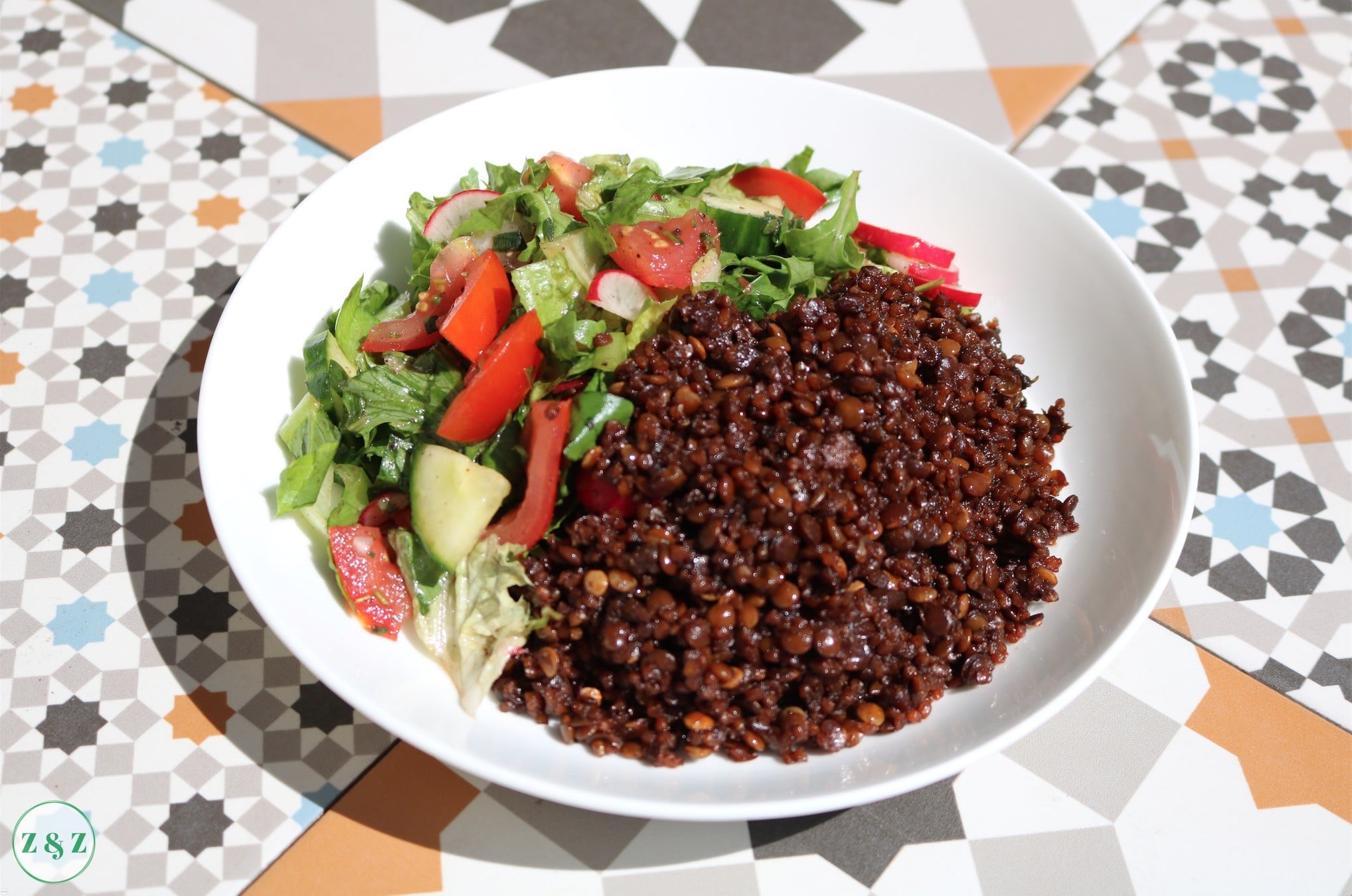
Mastering Mujadara Hamra: The Secret to Deep Caramelized Onions
Step into the heart of Lebanese cuisine, and you’ll discover a dish that transcends mere sustenance, offering a symphony of flavors, textures, and aromas. We're talking about Mujadara Hamra, a truly unique vegan masterpiece. While many varieties of mujadara exist, what sets Mujadara Hamra apart—and gives it its distinctive "red" hue (hamra means red in Arabic)—is the profound magic woven by deeply caramelized onions. This article will unlock the secrets to achieving those perfectly dark, sweet, and savory onions that form the very soul of this incredible dish.
More than just a side, Mujadara Hamra is a hearty and wholesome meal in itself. It’s a delightful fusion of protein-rich brown lentils, satisfying bulgur wheat, and those intensely flavorful caramelized onions, all brought together with simple, comforting spices. Whether you're a seasoned vegan, a curious flexitarian, or simply someone who appreciates deeply flavorful food, this traditional Lebanese dish promises an experience that will make your taste buds dance and your soul feel nourished. For a deeper dive into its nutritional benefits, explore Mujadara Hamra: A Nutrient-Rich Lebanese Vegan Dish for All.
The Soul of Mujadara Hamra: Unlocking Deep Caramelization
The essence of Mujadara Hamra lies squarely in its onions. Forget lightly sautéed or golden-brown; we’re aiming for a transformative process where the humble onion evolves into something truly extraordinary. This deep caramelization is not just about color; it's about developing layers of complex sweetness, umami, and a slight bitterness that gives the dish its characteristic depth and robust flavor profile. Without this crucial step, Mujadara Hamra simply wouldn't be the same.
The Art of Caramelizing Onions to Perfection
Achieving perfectly caramelized onions for Mujadara Hamra is more an art than a science, requiring patience and a gentle touch. Here’s how to master it:
- Choose Your Onions Wisely: While most onions will caramelize, yellow or sweet onions tend to yield the best results due to their higher sugar content. Avoid red onions for this dish, as their flavor profile doesn't quite match the traditional taste of Mujadara Hamra.
- The Right Cut: Uniformity is key. Slice your onions thinly and evenly. This ensures they cook at roughly the same rate, preventing some from burning while others remain undercooked. A mandoline can be a great tool here, but a sharp knife and steady hand work just as well.
- Fat is Your Friend: Use a generous amount of good quality olive oil. It not only prevents sticking but also contributes to the rich flavor. The onions will absorb the oil as they cook, so don't be shy.
- Low and Slow is the Mantra: This is the most critical rule. Heat should be maintained at a consistent medium-low. High heat will brown or burn the onions too quickly, leaving them bitter and without the deeply developed sweetness. You're not frying; you're coaxing out their natural sugars.
- Time and Patience: This process takes time – a minimum of 15 to 20 minutes, often longer, up to 30-40 minutes for truly dark, jammy onions. Resist the urge to rush. Stir frequently, but not constantly, allowing the onions to soften and brown slightly before turning them.
- The "Burned" Illusion: There’s a common saying among experienced cooks for Mujadara Hamra: "When you think your onions have burned, that's when you know they are ready." This doesn't mean actual charcoal-black, acrid-tasting burnt. It means reaching a very dark, reddish-brown, almost mahogany color where they look intensely cooked down and feel incredibly soft and sweet. They should smell rich and deeply savory, not bitter.
- A Pinch of Salt: Adding a pinch of salt early in the process helps draw out moisture from the onions, accelerating the softening and caramelization process.
- Deglazing (Optional but Recommended): If your onions start sticking stubbornly to the bottom of the pan and forming a dark crust, add a tiny splash of water (a tablespoon or two) to scrape up those flavorful bits. This helps integrate all the caramelized goodness into the onions themselves.
It's this meticulous attention to the onions that truly transforms Mujadara Hamra, infusing it with its characteristic deep color and unparalleled flavor, distinguishing it from other mujadara varieties where onions might be fried and simply layered on top.
Beyond the Onions: The Hearty Staples of Mujadara Hamra
While the caramelized onions undoubtedly steal the show, they are supported by a cast of equally essential, wholesome ingredients that make Mujadara Hamra a complete and satisfying meal.
The Lentil Lowdown: Protein-Packed Power
Lentils are the bedrock of Mujadara Hamra, contributing not only to its robust texture but also to its impressive nutritional profile. For this particular dish, brown lentils are preferred. Some traditionalists, as noted in the references, even seek out "mini brown lentils" found in Middle Eastern grocery stores for their slightly different texture. However, don't fret if you can only find regular brown lentils; they work beautifully too.
These humble legumes are nutritional powerhouses. They are an excellent source of plant-based protein, making Mujadara Hamra a fantastic option for those seeking meat-free meals. Beyond protein, lentils are packed with B vitamins, folate, iron, and potassium, providing a comprehensive boost to your diet. Their high fiber content aids digestion and contributes to the dish's incredible satiety, keeping you full and energized. Best of all, lentils cook relatively quickly and are an incredibly affordable pantry staple, solidifying Mujadara Hamra's reputation as a budget-friendly and quick-to-prepare meal.
Bulgur Wheat: The Wholesome Grain
Another distinguishing feature of Mujadara Hamra is its use of bulgur wheat instead of rice, which is common in other mujadara recipes. Bulgur wheat is a form of cracked wheat that has been parboiled, dried, and then cracked into various sizes. For Mujadara Hamra, it's crucial to use a coarser grind, typically labeled as #2 or #3, or simply "coarse bulgur." This larger grain provides a satisfying chew and distinct texture that stands up beautifully to the lentils and onions, offering a different mouthfeel than rice would.
Bulgur contributes a lovely nutty flavor and an added layer of nutrition to the dish, including fiber and various minerals. Like lentils, it's an affordable and versatile grain, perfect for absorbing the rich flavors created by the caramelized onions. Its quick cooking time also contributes to the overall efficiency of preparing this dish, ensuring that you can have a delicious and filling meal on the table in less than an hour.
Crafting Your Own Mujadara Hamra: Tips for Success
Bringing together these simple yet powerful ingredients is surprisingly straightforward. The beauty of Mujadara Hamra lies in its simplicity, allowing the quality of the ingredients and the precision of your cooking to shine.
The Seamless Cooking Process
Unlike some mujadara varieties where onions are fried separately and used as a topping, in Mujadara Hamra, the deeply caramelized onions form the aromatic base directly in the cooking pot. Once those onions are dark and sweet, the lentils are added and cooked until halfway done, absorbing all that rich onion flavor. Finally, the coarse bulgur is stirred in to finish cooking alongside the lentils, soaking up the remaining liquid and melding into a harmonious whole. A final fluffing with a touch of cumin often enhances the warm, earthy notes, creating a truly comforting dish.
Pantry Staples & Affordability
One of the most appealing aspects of Mujadara Hamra is its reliance on basic pantry staples. Lentils, bulgur, onions, olive oil, and simple spices are all readily available and inexpensive. This makes it an ideal choice for anyone looking for a wholesome, satisfying meal that won't break the bank. For more budget-friendly meal ideas, check out Quick & Easy Mujadara Hamra: Affordable Lentil & Bulgur Meal.
Seasoning Simplicity
The beauty of Mujadara Hamra also lies in its minimalist seasoning. Typically, just salt, black pepper, and sometimes a whisper of cumin are all that's needed. This allows the incredible flavor of the deeply caramelized onions, complemented by the earthy lentils and nutty bulgur, to truly be the star. Resist the urge to over-spice; the magic is in the foundational ingredients.
Serving Suggestions & Time Efficiency
This incredibly filling dish comes together in under an hour, making it perfect for a weeknight meal or a weekend family gathering. Mujadara Hamra is traditionally served simply, perhaps alongside a refreshing side salad or a dollop of plain yogurt. The cool creaminess of the yogurt provides a delightful contrast to the warm, earthy flavors of the dish.
Advanced Tips for the Enthusiast:
- Prepare Ahead: Caramelizing a large batch of onions can be time-consuming. You can prepare them in advance and store them in the fridge for a few days, making future Mujadara Hamra preparations even quicker.
- The Finishing Touch: A drizzle of fresh, high-quality olive oil just before serving can elevate the dish, adding a lovely aroma and silky mouthfeel. A sprinkle of fresh chopped parsley or cilantro can also add a burst of color and freshness.
- Storage and Reheating: Mujadara Hamra makes excellent leftovers. Store in an airtight container in the refrigerator for up to 3-4 days. Reheat gently on the stovetop with a splash of water or broth to loosen it up, or in the microwave.
Conclusion
Mujadara Hamra is more than just a dish; it's a testament to how simple ingredients, combined with patience and technique, can create something profoundly delicious and satisfying. The secret, as we've explored, lies in mastering the art of deeply caramelizing onions – transforming them into the rich, flavorful foundation that gives this Lebanese classic its distinctive character and name. Packed with plant-based protein, fiber, and an abundance of flavor, Mujadara Hamra is a nourishing choice for any meal. We encourage you to embark on this culinary journey, embrace the low and slow process, and discover the deep, comforting flavors of this remarkable vegan dish.
